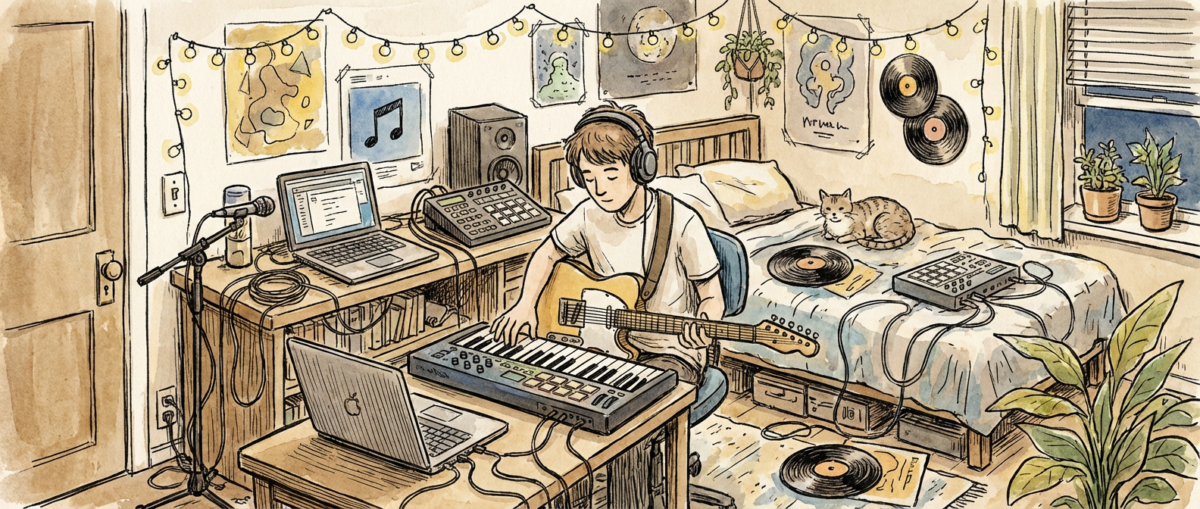
The Sound of Now: Home Studios Take Center Stage
Walk through any apartment building in Brooklyn, Austin, or Los Angeles on a weeknight, and you’ll hear it. The muffled thump of a kick drum programmed at 2 AM. The gentle strum of a guitar processed through vintage reverb plugins. The whispered vocals layered over lo-fi beats that will, by morning, become another entry in the endless stream of bedroom pop flooding streaming platforms. This is the sound of a cultural shift that has completely changed how music gets made, distributed, and consumed.
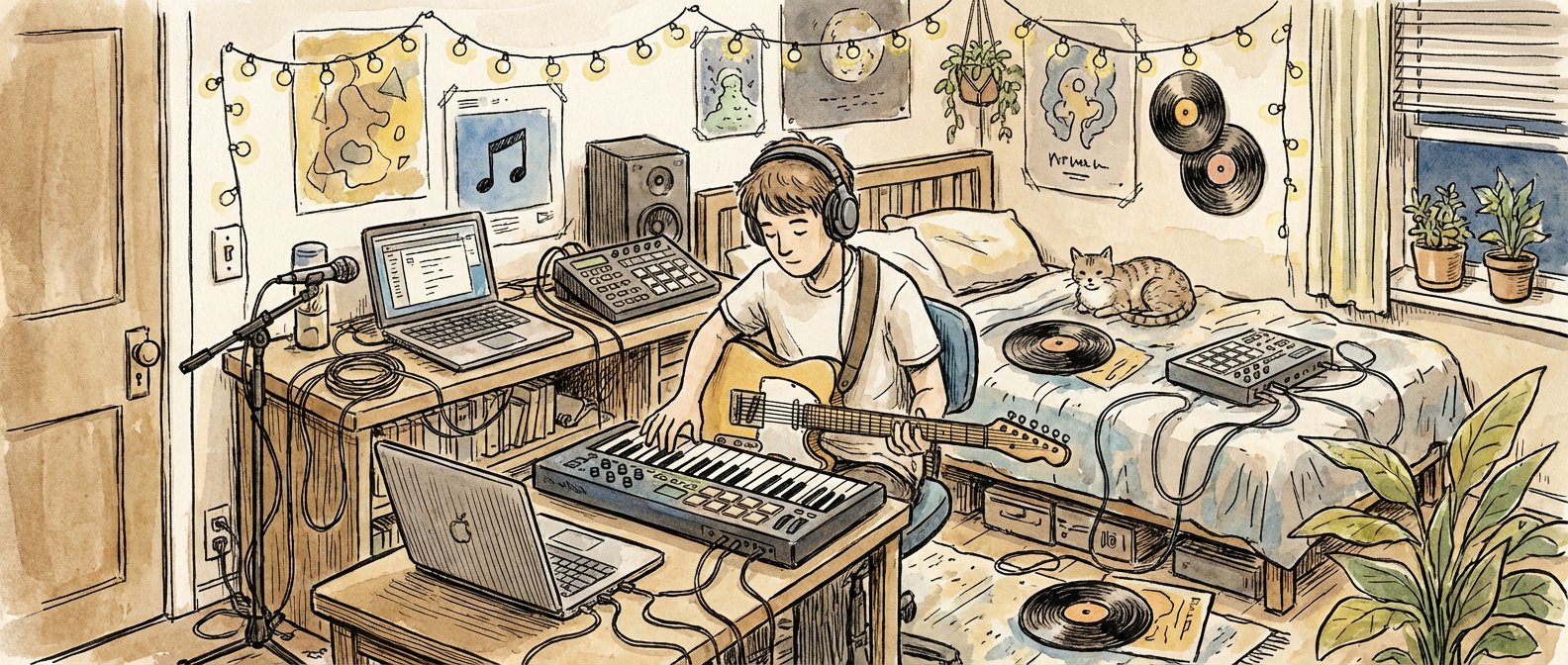
The numbers tell the story with stark clarity. Three-quarters of all music uploaded to Spotify this year came from home recording setups rather than professional studios. This isn’t just a pandemic-era fluke that’s fading with time. It’s a permanent shift in how the music industry actually works. Digital Audio Workstations like Ableton Live, FL Studio, and Logic Pro have wiped out the financial barriers that once kept aspiring musicians away from professional-quality production tools. What used to require tens of thousands of dollars in equipment and studio rental fees now fits on a laptop that costs less than a single day in a high-end recording facility.
The change goes way deeper than just access to technology. These platforms have created entirely new approaches to composition and arrangement. Bedroom producers layer sounds with the patience of painters, building tracks over weeks or months rather than the compressed timeframes of traditional studio sessions. They sample their own field recordings, manipulate found sounds, and create textures that would have been impossible or ridiculously expensive just a decade ago.
Genre-Blending in Real Time
Bedroom pop has grown from a niche aesthetic into a legitimate commercial force. Artists working within this dreamy, nostalgic framework have consistently appeared on Billboard charts since 2019, proving that intimate, lo-fi production can compete with major-label releases. The genre’s influence spreads far beyond its original boundaries, seeping into indie rock, R&B, and even mainstream pop productions.
This success reflects broader changes in how audiences consume music. Streaming algorithms reward consistency over perfection, favoring artists who release regularly rather than those who disappear for years between polished albums. Bedroom producers, working from their personal spaces with immediate access to their tools, can respond to creative impulses in real time. They drop singles monthly, experiment with different sounds, and build followings through sustained engagement rather than expensive marketing campaigns.
The aesthetic itself has become a cultural reference point. The deliberately imperfect production, the dreamy reverb, the nostalgic chord progressions—all of this speaks to a generation seeking authenticity in an increasingly manufactured world. Pitchfork music criticism has documented this shift extensively, noting how bedroom pop’s DIY ethos resonates with listeners who value artistic independence over commercial polish.
The Sample Dilemma and AI Revolution
But this creative freedom operates within messy legal and technological constraints. Sample clearance costs continue to block independent artists from incorporating classic material into their work. A single uncleared sample can result in takedown notices, lost revenue, or expensive legal battles that small artists can’t afford to fight. This creates a two-tiered system where major labels can afford to clear samples while independent producers must either avoid sampling entirely or risk operating in legal gray areas.
Artificial intelligence has thrown new complications and opportunities into the mix. Stem separation tools powered by machine learning can isolate individual instruments from finished recordings with remarkable precision. Independent producers use these technologies to create unauthorized remixes and extract elements from copyrighted material. While this enables creative experimentation on an unprecedented scale, it also raises questions about intellectual property that the legal system hasn’t figured out how to handle yet.
The technology itself is neutral, but how people use it reveals the tensions within contemporary music culture. Some artists embrace AI as another tool in their creative arsenal, while others view it as a threat to human creativity. Sound on Sound production forums buzz with debates about the ethical implications of AI-assisted production techniques. These conversations will likely shape how the technology develops and how the industry regulates its use.
Physical Media’s Unexpected Comeback
Against this backdrop of digital innovation, physical media has made a surprising comeback. Vinyl sales have outpaced CD purchases for three consecutive years, with 2025 marking the strongest performance yet for the format. This trend reflects more than mere nostalgia. Vinyl represents tangible connection in an increasingly intangible musical world.
Bedroom pop artists, in particular, have embraced vinyl as both an artistic medium and a revenue source. Limited-edition colored vinyl releases create scarcity and collectibility that streaming can’t replicate. The format’s inherent warmth complements the genre’s lo-fi aesthetic, while the large canvas of album artwork provides space for the visual elements that define bedroom pop’s dreamy, nostalgic brand.
Record stores have adapted to serve this new generation of vinyl enthusiasts. They stock bedroom pop releases alongside classic reissues, creating spaces where digital natives discover physical media for the first time. These shops work as cultural hubs where online communities gather in physical space, bridging the gap between digital creation and tangible experience.
The Future Sound
This transformation keeps accelerating. New tools emerge monthly, each lowering barriers further and enabling new forms of creative expression. Cloud-based collaboration platforms allow bedroom producers to work together across continents. Mobile apps bring professional-level production capabilities to smartphones. Virtual reality environments promise immersive composition experiences that could redefine what it means to make music in a bedroom.
The cultural implications stretch beyond music itself. This democratization of production tools has created a generation of artists who understand technology intimately, who view creative constraints as problems to solve rather than limitations to accept. They represent a shift from passive consumption to active creation, from waiting for industry gatekeepers to building their own platforms and audiences.
The bedroom pop movement reveals something important about contemporary creative culture: the desire for authenticity, the power of accessible technology, and the appeal of human connection through art. As these trends continue to evolve, they invite us all to consider what role we might play in shaping the sound of tomorrow.