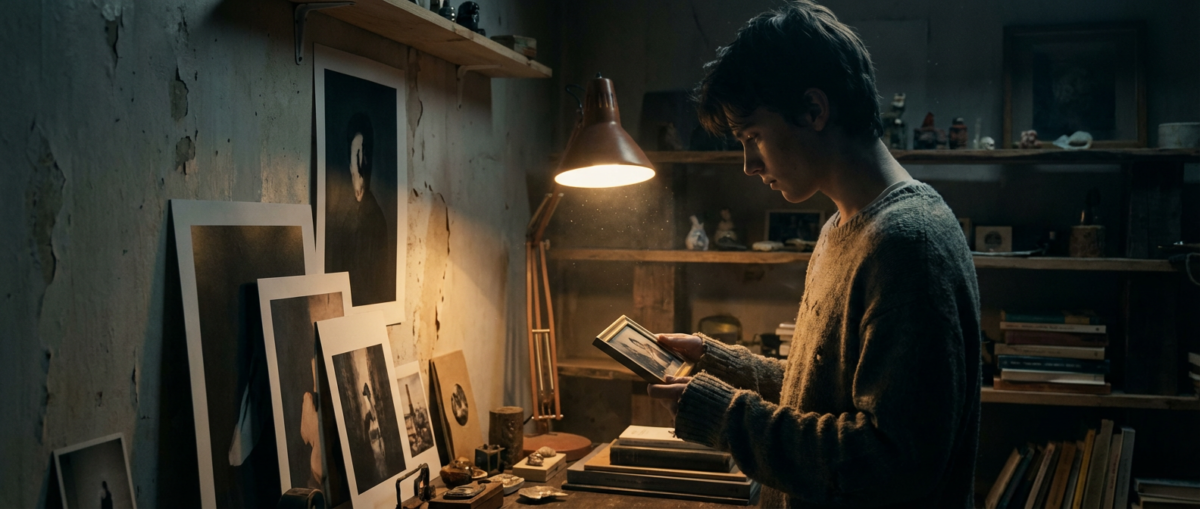
The Sacred Act of Choosing Your First Piece
There’s something profoundly intimate about selecting your first piece of art. Not the mass-produced poster from a college dorm room, but that moment when you stand before a work and feel something shift in your chest. The way a particular shade of ultramarine speaks to you, or how the artist’s confident brushstrokes remind you of your mother’s handwriting. This is where collecting begins. Not with market value or investment potential, but with that electric moment of recognition between you and the maker’s hand.
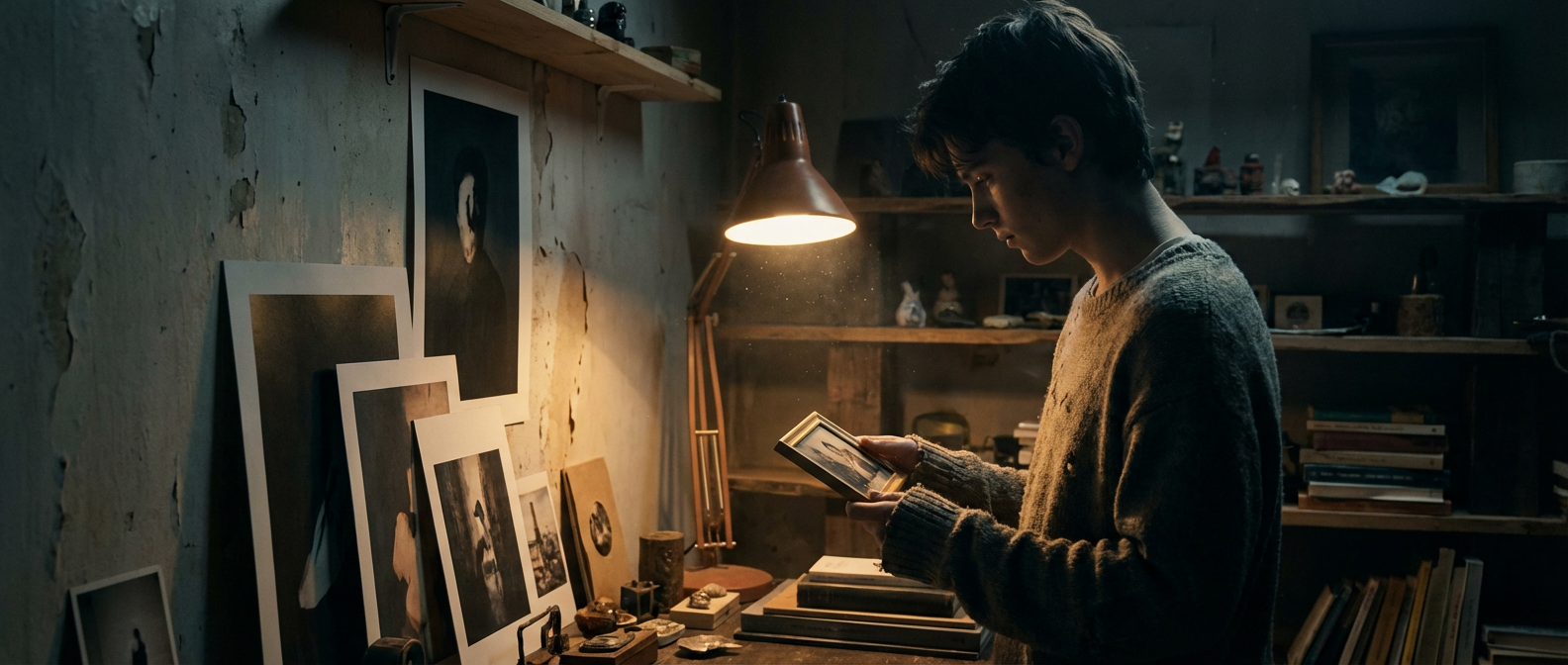
I’ve watched countless people walk through galleries, overwhelmed by the idea that art collecting requires a trust fund or an art history degree. But here’s what those museum placards don’t tell you: the most meaningful collections are built slowly, piece by piece, with curiosity as your compass and your own visual language as your guide. The process of choosing teaches you to see differently. You start noticing how shadows fall across your kitchen table the same way they pool in a Vermeer. Or how the graffiti artist down the street uses negative space with the same precision as a Japanese ink painter.
Start with work that makes you pause. Maybe it’s the way a ceramic artist builds texture by pressing fabric into wet clay, creating surface tension that mimics tree bark. Or perhaps it’s how a printmaker layers translucent inks to achieve depth that feels almost architectural. Trust these moments when something stops you cold. They’re your collecting instincts awakening.

Local Artists and Hidden Studios: Where Magic Happens
The most rewarding collecting happens in artists’ studios, where you can see the alchemy of creation firsthand. Local art centers, community colleges, and neighborhood studio tours give you access to working artists at prices that won’t require selling a kidney. I remember visiting a ceramicist’s garage studio where she showed me how she achieved those gorgeous copper-green glazes by timing the kiln’s cooling process to the minute. That conversation changed how I see every piece of pottery. Now I’m reading the thermal history in each glaze drip and color bloom.
University towns are gold mines for emerging artists. MFA students are pushing boundaries, experimenting with materials in ways that established artists sometimes abandon for commercial viability. Their thesis shows often have work priced for fellow students, not Manhattan collectors. I’ve found extraordinary paintings where the artist mixed coffee grounds into oil paint for texture, creating surfaces that shift between rough and smooth like weathered stone.
Don’t overlook printmakers. Original etchings, woodcuts, and lithographs give you an entry point into collecting works on paper that carry the artist’s direct touch. The way an etching needle scores copper creates lines that hold ink differently than a brush on canvas. Each print carries the physical memory of the artist’s pressure and rhythm. These intimate marks are what separate original prints from reproductions, and understanding this craft makes you appreciate them so much more.
The Art of Seasonal Collecting: Timing Your Discoveries
Smart collectors learn to read the calendar like a map to artistic abundance. Graduate thesis exhibitions in late spring show two years of intensive creative development, often priced to move as students transition from academia to professional practice. These works carry an experimental energy that more established artists might tone down for market appeal. The raw ambition in a thesis piece, that willingness to attempt something that might fail spectacularly, creates visual tension that keeps you looking.
End-of-year studio sales reveal artists clearing space for new work. December and January give you opportunities to acquire pieces at prices that reflect the artist’s need for physical and mental space rather than market positioning. I’ve found incredible drawings tucked behind finished canvases, studies that reveal the artist’s thinking process more clearly than their completed works. These preparatory pieces often show the hand more directly. You can see where the artist pressed harder with charcoal to emphasize a contour, or how they scraped away pastel to create highlights.
Community art fairs might lack the prestige of art fairs in major cities, but they offer something more valuable: direct access to makers. Watching a metalworker demonstrate their hammering technique or hearing a textile artist explain their dyeing process changes your understanding of their finished pieces completely. You start seeing the decision-making embedded in every surface treatment, every color choice.
Framing, Care, and the Ritual of Living With Art
The relationship between artwork and frame deserves the same careful attention you give to selecting the piece itself. A frame isn’t decoration, it’s a transitional space between the work and your wall, affecting how your eye enters and moves through the composition. Simple wooden frames often work beautifully for pieces on paper, their warm tones echoing the cream of quality paper. For oil paintings, think about how frame width relates to brushstroke scale. Delicate, detailed work often benefits from narrow molding that doesn’t compete for attention.
Caring for your collection becomes a meditation on materials and time. Understanding that watercolors fade in direct sunlight teaches you to notice how natural light moves through your space throughout the day. Dusting pastels with a soft brush reveals how the artist built up pigment layers, some areas dense with color, others allowing paper texture to show through. This intimate maintenance connects you to the physical reality of how art ages and changes.
Try rotating works seasonally to keep your collection alive. That moody charcoal landscape might speak differently in winter than summer, while bright gouache studies could energize shorter days. Pay attention to how different pieces affect your daily rhythms. Some works invite close inspection, you find yourself studying how the artist resolved a particular passage of paint. Others work as visual anchors, providing stability and calm to busy spaces.
Building Your Visual Vocabulary Through Intentional Acquisition
Growing a collection gradually builds your visual literacy in ways that passive museum-going cannot match. Living with a piece daily reveals subtleties that emerge slowly. How morning light brings out warmer undertones in a painting, or how a sculpture’s shadow patterns change with the seasons. This extended looking trains your eye to read artistic decisions with increasing sophistication.
Think about focusing on a particular medium or process as you begin. Collecting works on paper, drawings, prints, watercolors, gives you incredible variety within a cohesive framework. You start noticing how different artists approach the tooth of paper, whether they fight against it or embrace its texture as part of their visual language. A collection of small oil studies reveals how painters think through color relationships and compositional problems in concentrated doses.
Documentation becomes part of the collecting ritual. Photograph your pieces in different lighting conditions throughout the year. Note changes you observe, questions that arise, connections you make to other works. This practice turns collecting from acquisition into ongoing dialogue. You become an active participant in the work’s continuing life, not just its owner.
What draws you to pause in front of certain works? I’d love to hear about the pieces that have stopped you in your tracks lately, whether in a museum, gallery, or walking past a coffee shop wall. The conversation between collectors and artists and viewers is what keeps art alive. Share your discoveries in the comments below.