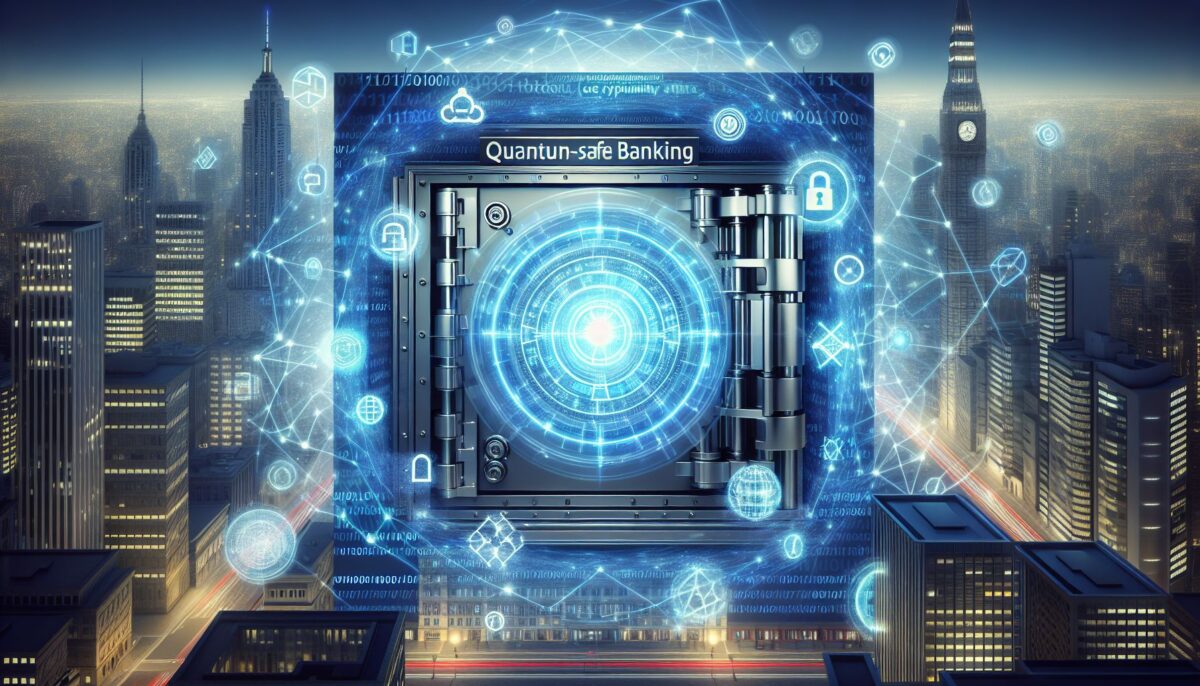
Good morning, fellow architects of the financial frontier! Today, we’re diving into the quantum abyss—a place where your hard-earned crypto nest egg meets its arch-nemesis: the all-powerful quantum computer. You’re here because you know crypto isn’t just for the nerdy spreadsheet jocks; it’s for those of us who see finance as a tech playground. So grab your digital pickaxe—let’s secure those digital vaults.
The Looming Quantum Threat
Picture this: You’re the proud owner of a shiny trove of digital assets, basking in the decentralized glory of blockchain tech. And then one day, like a plot twist in your favorite sci-fi flick, quantum computers show up. These quantum beasts can do in seconds what classical computers would take millennia to compute. Imagine someone waltzing into Fort Knox with a universal skeleton key—that’s what a quantum computer could do to current cryptographic protocols.
When quantum supremacy hits prime time, the cryptographic algorithms safeguarding our digital assets today may become about as secure as leaving your private keys scrawled on a sticky note. This isn’t just your usual cybersecurity scare talk. It’s a real risk that educators, regulators, and developers are scrambling to fix.
The Regulatory Crystal Ball
So what does the regulatory future hold? Unsurprisingly, governments and organizations are getting antsy. The prospect of quantum vulnerability has financial watchdogs and cryptographers clutching their algorithm handbooks, contemplating post-quantum cryptography (PQC). They’re asking tough questions about what’s needed to protect mainstream financial institutions and our cherished blockchain-powered systems.
Enter the National Institute of Standards and Technology (NIST), the oracles of encryption, who are racing to standardize PQC algorithms. Governments across the globe want to dictate these standards, their eyes on the prize of being the secure backbone of the digital economy. What’s certain is that today’s laissez-faire attitudes will shift toward heavily incentivized quantum-safe implementation initiatives.
Dancing With Disruptions: Builders and Market Dynamics
Alright, coders, here’s the silver lining to quantum chaos: with disruption comes demand, and that, my friends, means opportunity. The market for quantum-safe solutions is about as untapped as a barrel of innovation. Enterprising minds are cooking up ingenious ways to transition blockchain technology into this brave new world of post-quantum security.
Key challenges lie ahead: backward compatibility with existing protocols, ensuring lightning-fast transaction times don’t regress to snail speed, and maintaining crypto’s core ethos. It’s a balancing act between technical wizardry and honoring the community’s trust—think trapeze artistry with a side of Shakespearean diplomacy.
Oh, and let’s not overlook the potential geopolitical undercurrents. From quantum militarization to national pledges for tech superiority, quantum could very well reshape power structures as we know them.
Building the Quantum-Resilient Fortress
Now, onto the fun part—how do we, the plucky builders of fintech, start reforging our digital defenses? First up, understanding the landscape of post-quantum developments is key. Stay ahead of the curve by joining consortiums and forums—or as I like to call them, the hacker Renaissance fairs—where these innovations get their debut.
Next, focus on adaptable architectures. Retrofits are the name of the game, and designing systems primed for big changes could save you a ton of refactoring pain later. Think modular, with quantum-safe methodologies as the baseline for your architectural schematics.
And no, going full Chicken Little won’t do. Balance experimentation with practicality, ensuring that, should quantum winds blow, your ship doesn’t just stay afloat—it sails full steam ahead.
Smart Incentives for a Quantum Economy
Why should builders like us even bother? Simple: Before you know it, your VC will be asking about your quantum-readiness, and your clients won’t just whisper it—they’ll demand it. Being at the forefront of quantum-safe solutions is more than a technological advantage. It’s a business proposition with dividends you can’t ignore.
Speculative? Sure, but consider the incentives: security certifications, customer trust, and resilient operational scalability in an era where every click and keystroke echoes within the quantum realm.
Conclusion: Ready for the Quantum Leap?
In the wake of the quantum dawn, banking will need a security revamp akin to superhero steroids. Fortress-like quantum-safe systems won’t be just a checkbox exercise—they’ll be the bedrock of financial ecosystem trust. As engineers and dreamers, it’s our job to not just weather the storm, but to ride the quantum wave.
So, what’s your play? Are you doubling down on quantum-safe encryption already? Or do you think the threat is overhyped like your old high school’s annual Y2K scare? I’m curious to read your thoughts. As always, code on and innovate fast, my fellow trailblazers.