Why the Traditional Gallery Model Stopped Working for Most Artists
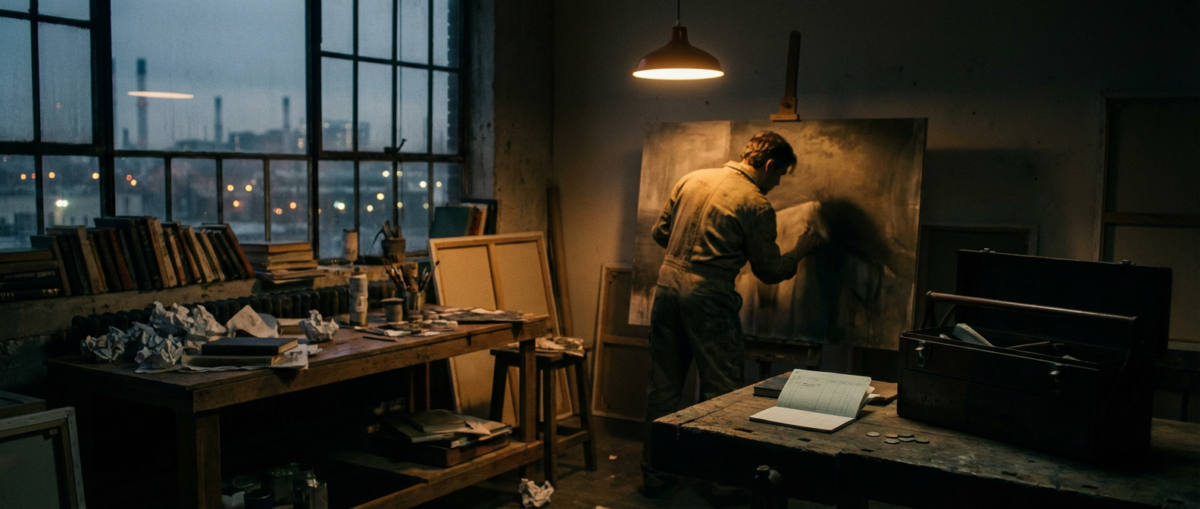
There’s a particular kind of heartbreak I’ve witnessed in artist studios across Brooklyn, Oakland, and Los Angeles over the past decade. It’s the moment when a genuinely talented painter, sculptor, or installation artist does the math on their rent and realizes that even with gallery representation, the economics don’t hold. The gallery takes 50 percent. The shipping costs money. The insurance is astronomical. And somewhere in that calculation, the work itself—the actual creative act that started this whole thing—becomes a secondary concern to the logistics of survival.
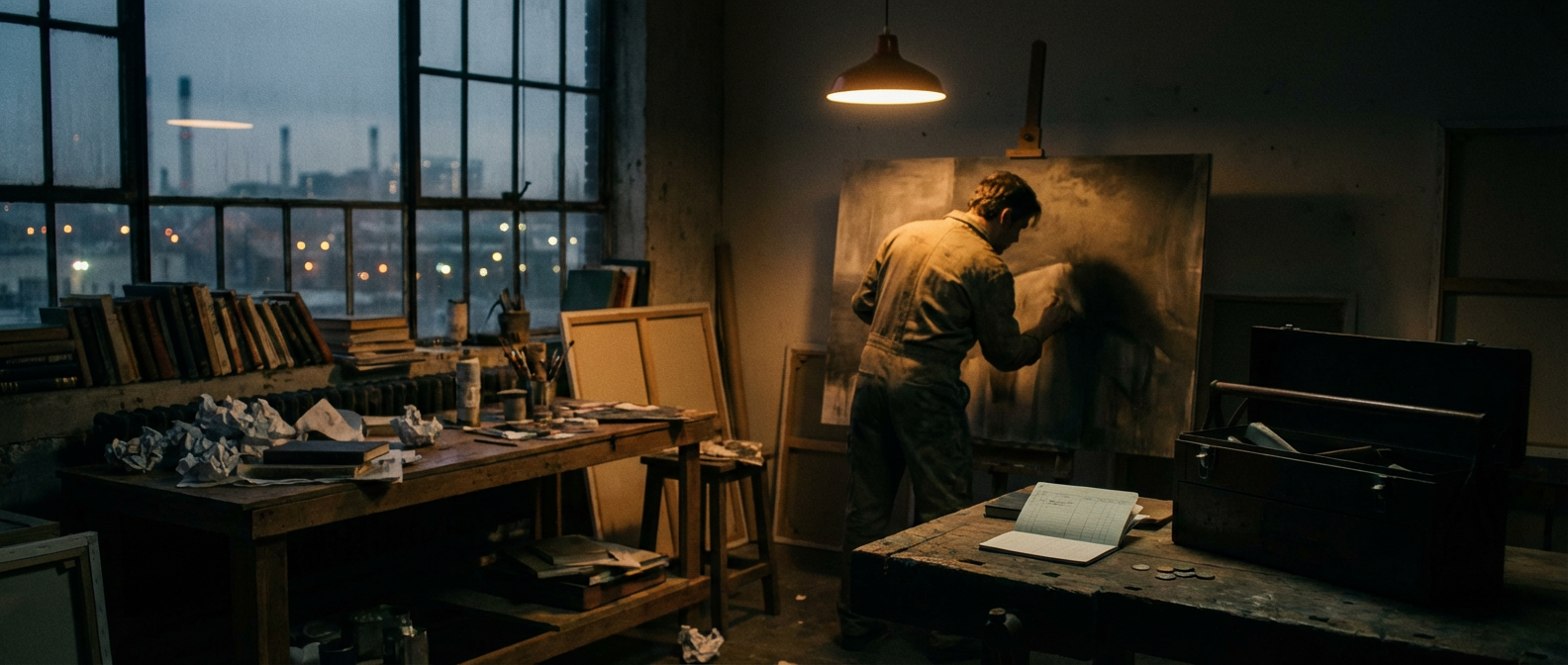
This isn’t new, exactly. Artists have always struggled financially. What’s shifted is the conversation. We’re no longer accepting the mythology that suffering for your art is noble or inevitable. A growing number of independent creators are building sustainable practices that don’t require a blue-chip gallery blessing or the approval of a Manhattan gatekeeper. Some are thriving. Many more are finding ways to keep making without starving. And the mechanisms they’re using tell us something real about what’s possible when you’re willing to think differently about art economics.
The Direct Connection: When Fans Become Your Gallery
Imagine if every person who genuinely loved your work could directly fund the next piece you wanted to make. This is the promise that platforms like Patreon and artist-friendly music services like Bandcamp have been quietly delivering for years now. Unlike traditional streaming platforms where the bottom 90 percent of artists earn less than 500 dollars annually despite potentially thousands of listeners, these direct-support models flip the equation. You’re not competing for fractions of pennies based on algorithmic play counts. Your actual fans—the people who would buy a print or a handmade book or a limited edition if they could—now have a structured way to do exactly that.
The mechanics feel almost revolutionary in their simplicity. A subscriber pays you directly. Maybe it’s five dollars a month, maybe it’s fifty. In return, they get early access to your work, behind-the-scenes process videos, occasional studio visits, or exclusive editions. The platform takes a percentage, sure, but it’s transparent and usually smaller than what a gallery would demand. More importantly, you know exactly who’s supporting you. You’re not guessing at market forces or hoping a collector walks into the right room at the right time. Your audience is literally telling you, “We want more of what you’re making.”
This model has particular power for artists working in undervalued mediums. A poet, a sound artist, a performance maker, a muralist—people whose work often doesn’t fit neatly into the commercial gallery system—suddenly has a way to sustain their practice. I’ve watched independent musicians build six-figure incomes on Patreon while their Spotify streams numbered in the millions but generated almost nothing. The difference? One system requires an active relationship with the audience. The other requires only passive consumption.
Leaving the City: How Residencies and Regional Networks Are Reshaping Where Art Gets Made
Studio rent in major cities has become genuinely prohibitive. A modest workspace in many coastal urban centers now costs what it once did for a full apartment in a secondary city. The math pushes talented people out, and for a long time, that seemed like pure loss—as though art could only happen in New York or Los Angeles. But something unexpected happened. Artist residency programs began proliferating across the country, and suddenly the geography of creative work started diversifying in genuinely interesting ways.
These residencies operate on a different model than the commercial gallery system. They’re often partially or fully funded by arts organizations, nonprofits, municipalities, or private foundations. An artist gets studio space—real, substantial space—along with housing, meals, and community for anywhere from a few weeks to several months. Some residencies are free. Others ask for a modest fee. In return, the artist typically commits to finishing a body of work, and sometimes to a public presentation or studio visit that lets the local community engage with the creative process.
What interests me most is how this is reshaping where art actually gets made and who gets to make it. A painter who couldn’t afford rent in Brooklyn now spends six months in a residency in rural Vermont, makes work informed by that specific landscape and community, and leaves with a finished series and real relationships with other artists. That’s radically different from the old model where you had to already be in the city and already have money to survive while building your practice. The residency model asks: what if we funded the space and time directly instead of expecting artists to somehow magic up resources while working survival jobs?
New Tools for Provenance: What Survived the NFT Collapse
I want to be honest about something: the entire NFT speculation bubble was, in retrospect, kind of ridiculous. Massive prices for JPEGs. Celebrity cash grabs. Projects that promised revolution and delivered nothing but a trail of liquidated portfolios. If you watched that unfold, dismissing the whole category as a scam or a joke is completely reasonable.
But here’s what’s actually useful: the underlying technology for documenting and verifying that you made something and that someone owns it. On-chain provenance tools—the ability to create a permanent, verifiable record connecting a specific artwork to its creator and its chain of ownership—are legitimately useful regardless of whether anyone’s paying six figures for digital art. For independent artists, this solves a real problem: how do you prove you made something? How do you establish that a work is authentic without relying on a gallery, a museum, or an institution?
This matters particularly for artists working outside traditional institutions. A digital artist can now create a permanent record of their work’s creation and ownership without needing permission from a gallery. A craftsperson can verify that their work is authentic. These tools democratize some of the credibility-building functions that institutions used to monopolize. The hype is gone, mostly deservedly, but the actual utility remains.
Originality in the Age of AI: What We’re Actually Arguing About
AI image generation has created a genuine crisis of meaning in art conversations. Not as hyperbole, but as a fundamental challenge to how we understand what makes something art and who deserves credit and compensation for it. When a text prompt can generate dozens of plausible paintings in the style of any artist you name, what does authorship even mean?
The conversations happening right now in artist communities, in criticism outlets like Hyperallergic art criticism, and in legal proceedings are generating something genuinely valuable: clarity about what we actually value in art-making. Is it the final image? The decision-making process? The accumulated skill and aesthetic sensibility? The labor? The originality of vision?
For independent artists, this conversation is urgent and direct. It’s forcing you to articulate what makes your work yours in a way that a prompt-following algorithm can’t replicate. Some artists are finding that their strength is precisely in their idiosyncratic perspective, their specific way of seeing that no training data set will capture. Others are experimenting with AI as a tool within their practice, the way previous generations adopted photography or Xerox machines. The field is unsettled, which is uncomfortable, but it’s also clarifying. You’re forced to know why your work matters beyond “it’s pretty” or “it’s technically skilled.”
Finding Your Path: Entry Points and Invitations
If you’re an artist thinking about independence or sustainability or simply wondering if there’s a way to make work without the traditional gatekeepers, there are more paths now than there’ve ever been. Start with whatever resonates: a direct-support platform if you have an audience already, or are willing to build one patiently. Look into residencies if you need space and community and time. Explore the tools available for proving ownership and provenance. Engage seriously with the questions AI is forcing us to ask about your own practice.
Browse resources like Artsy contemporary art to see how artists are positioning work in contemporary conversations. Connect with other independent practitioners. The economics of art-making are genuinely changing, and for the first time in a long while, that change is creating more options rather than fewer. You don’t need permission to declare yourself an artist. You need strategy, persistence, and an honest relationship with your audience. Everything else follows from there.